Hangzhou, China zpec@zju.edu.cn
Hangzhou, China zpec@zju.edu.cn
Powering Next Generation AI Infrastructure: Ultra-Efficient/Compact Three-Phase Isolated Rectifier and Solid-State Transformer Concepts
The explosive trajectory of artificial intelligence (AI) compute is catalyzing an era of Gigawatt-scale datacenter campuses, driving unprecedented global power demands. As IT rack densities aggressively scale toward the 1 MW threshold, legacy 54Vdc global power architectures face absolute physical and thermal limits. While migrating to 800Vdc (±400Vdc) addresses immediate bottlenecks, the unrelenting trajectory of AI compute dictates that this is merely transitional—an inevitable leap to ultra-high 1500Vdc (±750Vdc) rack distribution is mandatory to truly future-proof these extreme loads. This high-voltage paradigm shift prevents the conduction loss escalation and yields massive material savings. Consequently, traditional in-rack ac/dc conversion is being rapidly displaced by power sidecars (i.e., power racks) and direct Medium-Voltage (MV) Solid-State Transformers (SSTs), rearchitecting power delivery from the grid to the chip.
This tutorial proposes a next generation of isolated, ultra-compact three-phase ac/dc PFC rectifier topologies. We will deconstruct the fundamental building blocks, achieving a massive groundbreaking 99% overall efficiency at extreme power densities (10 kW/dm³) while maintaining minimal control complexity. Attendees will explore the operating principles, design optimizations, and stress analysis of novel architectures, including quasi-single-stage Integrated Active Filter (IAF) rectifier designs, isolated ac/dc matrix converters, and high-power i3X-rectifiers scaling from 20–100 kW. Furthermore, we will spotlight the transformative impact of the latest Monolithic Bidirectional GaN Switches (M-BDS) enabling advanced (series-resonant) DAB-type configurations, which are driving the next wave of high-efficiency, single-stage isolated ac/dc power conversion. Specifically, the session delves into advanced modulation techniques for single- and three-phase (series-resonant) DAB-type converters, utilizing synergetic control and active magnetizing current injection to guarantee seamless Zero Voltage Switching (ZVS) across all operating boundaries.
Finally, the tutorial tackles the ultimate frontier of grid-to-chip power delivery: Novel MVac/LVdc and MVdc/LVdc Solid-State Transformer (SST) concepts for the multi-megawatt range. Positioned to eliminate bulky Line-Frequency Transformers (LFTs), these HF-isolated SSTs can directly interface with 13.2 kVac to 35 kVac grids. The session will discuss the current SST "density/efficiency barriers," demonstrating concrete topological strategies to catapult system performance from current baselines to a groundbreaking 99% efficiency and up to 2MW/m³ power density—a 5 to 20x leap in compactness. By mapping the transition toward central rectification and MVdc distribution architectures, this tutorial reaffirms that continuous, radical innovation in power electronics is the indispensable bedrock of tomorrow's AI supercomputing infrastructure.
 Photo';">
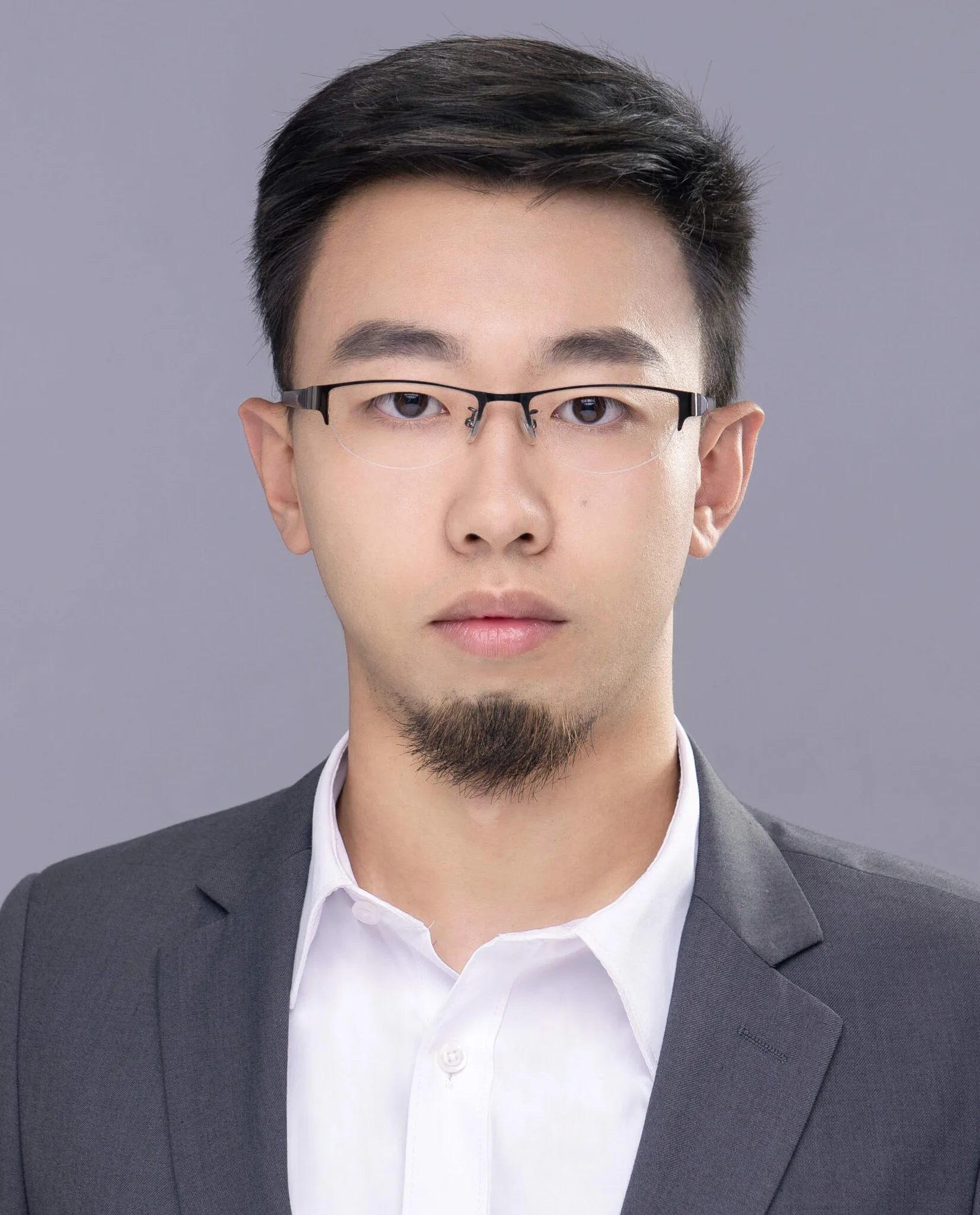
Daifei Zhang
University of Toronto
Dr. Daifei Zhang is currently an Assistant Professor of Electrical and Computer Engineering at the University of Toronto, a position he has held since October 2024. Before joining the University of Toronto, he was a Postdoctoral Researcher at the Power Electronic Systems Laboratory (PES) at ETH Zurich, Switzerland. Dr. Zhang received his B.Sc. degree in Electrical Engineering and Automation from Huazhong University of Science and Technology (HUST), China in 2017, followed by an M.Sc. (2019) and a Ph.D. (2023) in Electrical Engineering and Information Technology from ETH Zurich. Dr. Zhang's research interests include advanced power conversion techniques for grid modernization and transportation electrification, cryogenic power electronics, and design methodologies for sustainable power electronics.
 Photo';">
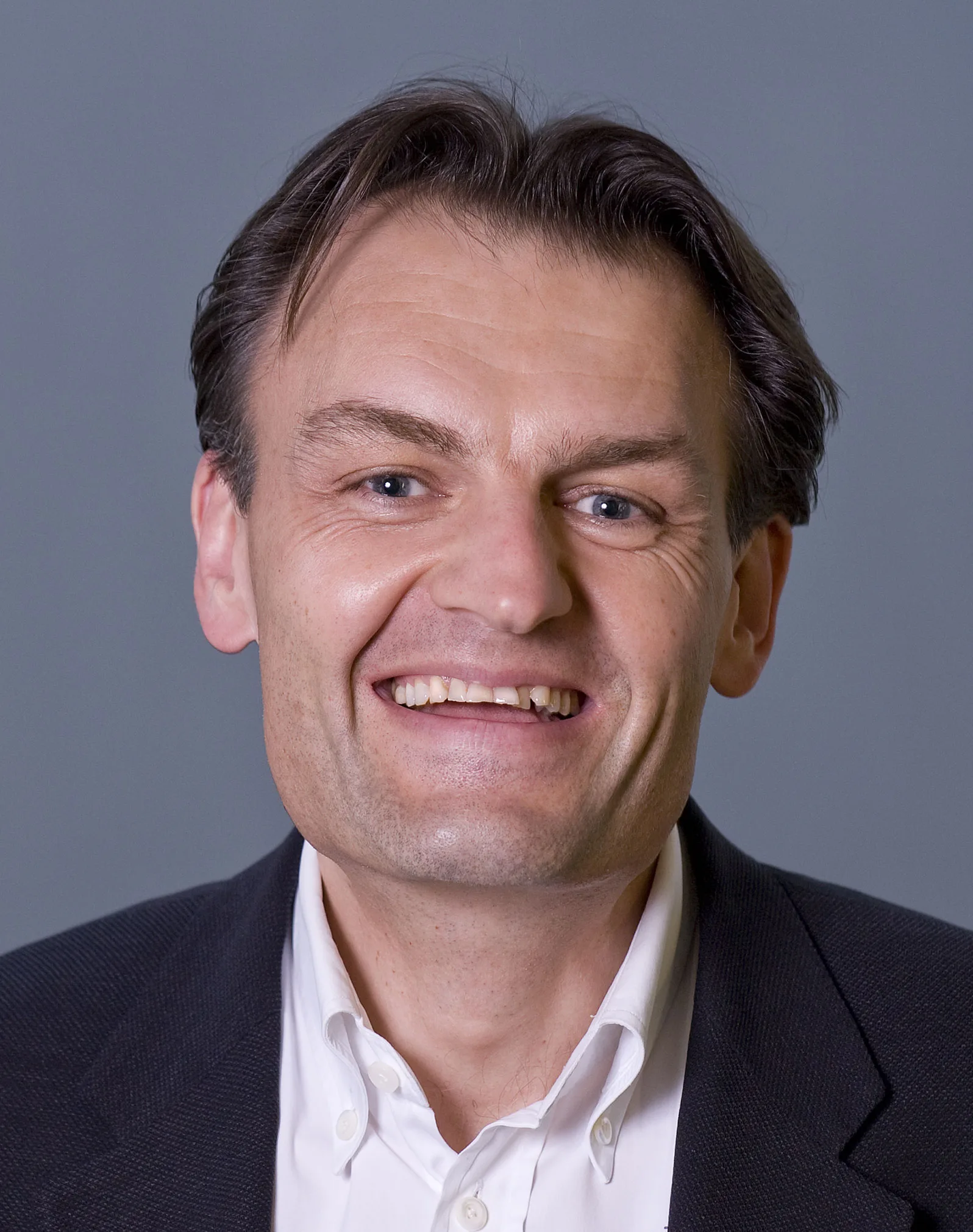
Johann W. Kolar
ETH Zurich / TU Wien
Johann W. Kolar is a Life Fellow of the IEEE, an International Member of the US National Academy of Engineering, and a Fellow of the National Academy of Inventors. Following 15 years as an international consultant and independent researcher, he joined the Swiss Federal Institute of Technology (ETH) Zurich in 2001 as Head of the Power Electronic Systems Laboratory. Throughout his career, he has proposed numerous novel converter concepts, including the Vienna Rectifier, spearheaded the development of multi-million-rpm motors, and pioneered fully automated multi-objective design procedures for power electronic systems. He has personally supervised more than 90 Ph.D. students to completion, published extensively in IEEE Transactions, is the inventor on numerous granted patents, and has received extensively prestigious awards. As Professor Emeritus at ETH Zurich (since August 2024), he continues to actively pursue research in ultra-compact and highly efficient wide-bandgap (WBG) converter systems, AI and machine learning applications in power electronics, solid-state transformers, and the life-cycle analysis of power electronic converter systems.
 Photo';">
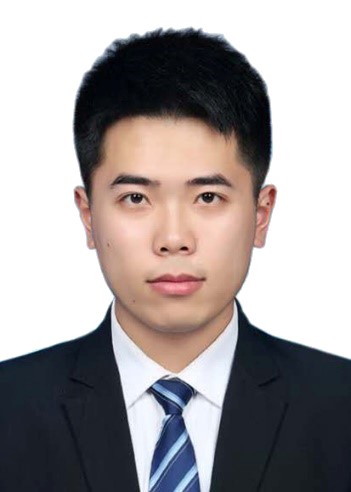
Junzhong Xu
Shanghai Jiao Tong University
Dr. Junzhong Xu is currently a Tenure-Track Associate Professor for Power Electronics with the School of Electrical Engineering of the Shanghai Jiao Tong University, Shanghai, China. He received the B.S. degree in electrical engineering from the Harbin Institute of Technology, Harbin, China, in 2016, and the Ph.D. degree in electrical engineering from Shanghai Jiao Tong University, Shanghai, China, in 2021. From 2021 to 2024, he worked as a Postdoctoral Research Fellow with the Department of Electrical Engineering, Shanghai Jiao Tong University, and also with the Power Electronic Systems (PES) Laboratory, the Swiss Federal Institute of Technology (ETH), Zurich, Switzerland. Dr. Xu's research interests include advanced control and modulation for power converters. He was the recipient of the Outstanding Ph.D. Thesis Award from Shanghai Jiao Tong University in 2021.
Outline and Schedule (3-hour duration)
| Duration | Topic | Presenter |
|---|---|---|
| 60 min | Introduction & Comparative Analysis of High-Efficiency Isolated Three-Phase PFC Rectifiers | Daifei Zhang |
| 40 min | Modulation and Control of Isolated Single-Phase & Three-Phase DAB-Type Single-Stage ac/dc Converters | Junzhong Xu |
| 15 min | Coffee Break | — |
| 50 min | Novel MVac/LVdc & MVdc/LVdc Solid-State Transformer Concepts | Johann W. Kolar |
| 15 min | Q&A and Open Discussion | All |
Introduction & Comparative Analysis of High-Efficiency Isolated Three-Phase PFC Rectifiers (DZ, 60 min)
Modulation and Control of Isolated Single-Phase & Three-Phase DAB-Type Single-Stage ac/dc Converters (JX, 40 min)
Novel MVac/LVdc & MVdc/LVdc Solid-State Transformer Concepts (JWK, 50 min)
